
Blog
New Techniques for Deep Brain Imaging: What We Know and What Remains to Be Understood
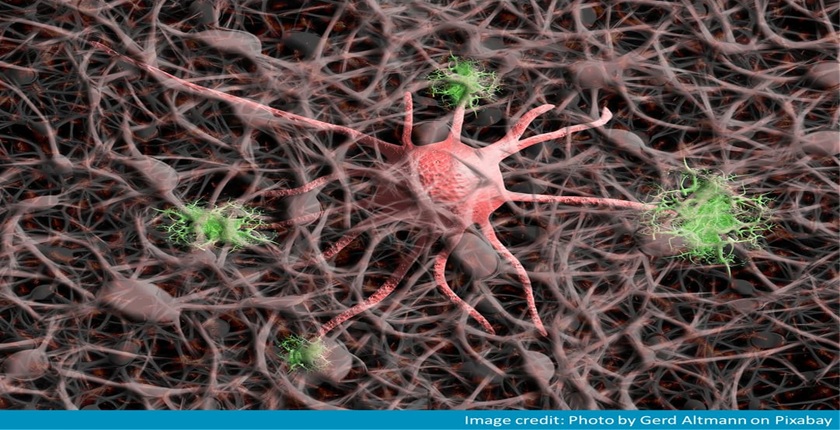
Understanding the brain in three dimensions is key to studying how neural networks function and how changes associated with neurological diseases occur. However, for a long time this has been a challenge, as traditional techniques require sectioning the tissue, which can alter its structure and limit a comprehensive view.
In recent years, optical clearing techniques have opened new possibilities. These methods induce optical transparency in brain tissue and, when combined with immunostaining, allow for the observation of specific structures in intact samples at greater depths. Despite these advances, not all methods perform equally well: they differ in key aspects such as imaging depth, fluorescent signal quality, unwanted background fluorescence, and the ability to preserve tissue structure.
To better understand these differences, a group of researchers analyzed studies published between 2014 and 2024 that applied various clearing techniques to human brain tissue and experimental animal models. In total, they reviewed 12 experimental studies and compared variables such as imaging depth, fluorescent signal quality, background fluorescence, and preservation of tissue morphology.
The results show a consistent trend in descriptive analysis: methods based on organic solvents tend to allow greater imaging depth and a better signal-to-noise ratio. In contrast, hydrogel-based or aqueous solution methods tend to better preserve tissue structure. However, these differences were not statistically conclusive and should therefore be interpreted as trends rather than definitive evidence of one method’s superiority over another.
Overall, these findings provide a useful reference for selecting protocols in three-dimensional neuroimaging studies. Choosing the appropriate method can improve image quality and enable a more accurate understanding of the brain, which is essential for advancing research in neurological diseases.
Looking ahead, it will be crucial to establish standardized criteria to more rigorously compare these methods, as well as to conduct larger studies that confirm these findings and better guide their application in both research and clinical settings.
To learn more about this study, you can read the full article published in the Journal of Research and Innovation in Health Sciences – RIICS, click here.
#MásMaríaCano