
Blog
Rethinking Healthy Eating: The PURE Study’s Contributions to Understanding Diet and Cardiovascular Health
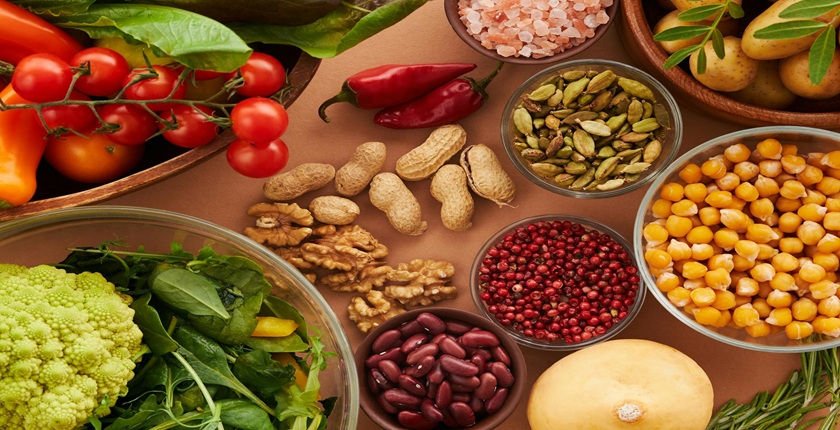
For years, most dietary recommendations aimed at preventing cardiovascular disease have been based on research conducted primarily in high-income countries. However, eating habits, cultural contexts, and lifestyles vary significantly across regions, raising important questions about whether these recommendations can be universally applied to all populations.
In this context, the PURE Study (Prospective Urban Rural Epidemiology) has become one of the most relevant international investigations on nutrition and health. Its objective was to analyze the relationship between diet, cardiovascular disease, and mortality in urban and rural populations from different countries and socioeconomic contexts.
The findings revealed that a high-quality diet, characterized by diversity and the frequent consumption of protective foods, is associated with better health outcomes. Individuals who regularly consumed fruits, vegetables, nuts, legumes, fish, and full-fat dairy products showed a significantly lower risk of mortality and cardiovascular disease.
One of the study’s most notable findings was that moderate consumption of unprocessed red meat was not directly associated with a higher cardiovascular risk, opening new discussions regarding traditional dietary recommendations that often emphasize strict restrictions on fats and animal-based products.
Rather than focusing solely on lists of permitted or restricted foods, the research highlights the importance of understanding nutrition from a comprehensive perspective that considers dietary quality, food diversity, and the cultural realities of each population.
These findings support the development of more flexible, contextualized, and culturally relevant dietary guidelines aimed not only at disease prevention, but also at strengthening public health strategies that improve access to nutritious and sustainable foods.
#MásMaríaCano