
Blog
Artificial Intelligence Provides New Insights into Type 2 Diabetes in Mexico
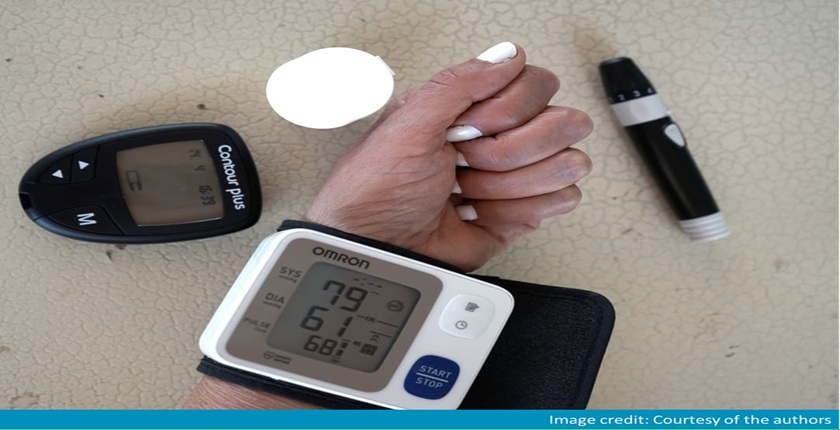
The Research and Innovation in Health Sciences Journal – RIICS presents a new study exploring how artificial intelligence can improve the understanding of type 2 diabetes by integrating both clinical and social factors.
Type 2 diabetes is a complex and highly prevalent disease influenced not only by biomedical variables, but also by socioeconomic conditions such as income level, education, and access to healthcare. However, many artificial intelligence studies have traditionally focused on clinical data, overlooking these important social determinants.
To address this gap, the study analyzed data from 1,787 individuals in Mexico, including both people with and without a diabetes diagnosis. Ten machine learning models were tested, combining clinical and socioeconomic data, and explainable AI tools were used to identify the most influential variables.
The results showed that models such as XGBoost and LightGBM achieved the best performance. While glucose levels, diastolic blood pressure, and age remained key predictors, the analysis also revealed that socioeconomic variables—such as income and education—play a significant role in identifying the presence of diabetes.
These findings highlight the importance of understanding diabetes from a more comprehensive perspective, where social factors are recognized as critical components. Incorporating these elements can lead to more robust decision-support tools, with the potential to improve early detection and guide more equitable prevention strategies, particularly in contexts of social inequality.
Future research will focus on validating these models across different populations and clinical settings, as well as incorporating additional social and behavioral variables to enhance their applicability in public health programs.
#MásMaríaCano