
Blog
How Can Sedentary Behavior Be Measured Reliably? A New Questionnaire Adapted for Young Adults in Indonesia
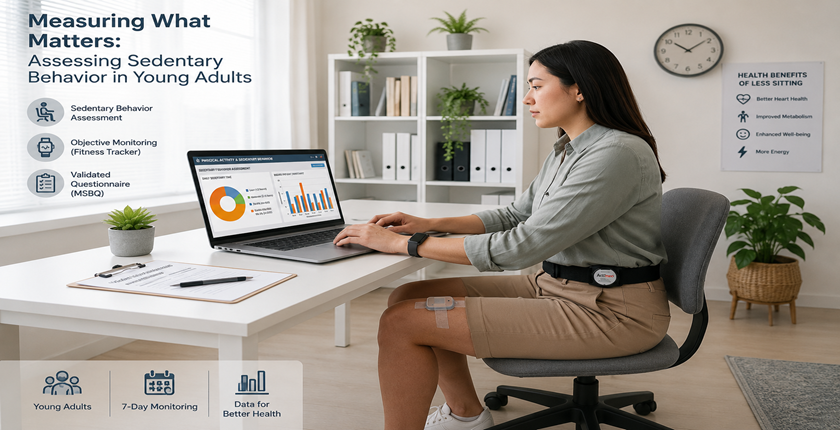
Spending long periods sitting or engaging in activities that involve very little movement increases the risk of cardiovascular disease, diabetes, and other health conditions. To design effective prevention strategies, it is essential to understand how much time people spend being sedentary. However, in Indonesia, there was no culturally adapted questionnaire capable of reliably measuring sedentary behavior among young adults.
Although questionnaires designed to assess sedentary behavior have been widely used in other countries, cultural differences, daily habits, and the way certain activities are performed make it necessary to adapt these tools before applying them to a different population. Without proper adaptation, the results may be less accurate and less useful for research and public health purposes.
To address this challenge, researchers adapted an international sedentary behavior questionnaire to the Indonesian cultural context and evaluated its performance in a sample of 337 young adults. The results were then compared with those obtained through other assessment tools and physical activity monitoring devices to determine whether the measurements were consistent and reliable.
The Indonesian version of the questionnaire proved to be a valid and reliable tool for assessing sedentary behavior among young adults. Its results showed good agreement with those obtained through other evaluation methods, including physical activity monitoring devices, supporting its usefulness for measuring sedentary behavior in this population.
Having a tool specifically adapted to Indonesia’s cultural context will allow researchers and health professionals to assess sedentary habits among young people more accurately. This may facilitate future research, strengthen public health surveillance, and support the development of programs aimed at promoting more active and healthier lifestyles.
The researchers recommend validating the questionnaire among people of different ages, regions, and living conditions, as well as comparing it with even more precise measurement methods. These efforts would expand its applicability and strengthen strategies designed to prevent health risks associated with sedentary behavior.
#MásMaríaCano