
Blog
Blood Pressure Under Control: Why Do Some Patients Respond Better to Treatment Than Others?
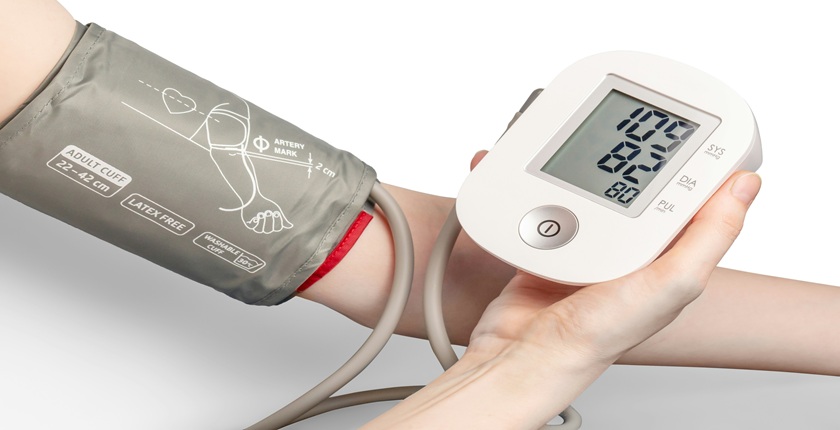
Hypertension is one of the leading risk factors for cardiovascular disease worldwide. Although effective treatments are available, achieving adequate blood pressure control remains a major challenge. In Mexico, as in many low- and middle-income countries, a significant proportion of patients diagnosed with hypertension are unable to maintain their blood pressure within recommended levels.
Until now, research has primarily focused on identifying general risk factors associated with hypertension. However, little was known about whether distinct profiles of hypertensive patients exist and whether these groups might require different management approaches. This lack of detailed characterization has limited the development of more personalized treatment strategies.
To explore this diversity, researchers analyzed data from the 2022 National Health and Nutrition Survey (ENSANUT), including 1,308 Mexican adults with a previous diagnosis of hypertension who were receiving pharmacological treatment. Using unsupervised machine learning techniques—specifically Principal Component Analysis and Gaussian Mixture Models—the researchers identified eight distinct patient profiles, or phenotypes, each characterized by unique demographic, clinical, and behavioral features.
The most significant finding was that blood pressure control does not follow a single pattern. For example, one group—the largest, consisting of 325 individuals—was primarily composed of older women with long-standing hypertension and higher socioeconomic status, and it showed better blood pressure control. In contrast, another group of 142 patients, characterized by lower socioeconomic status and lower adherence to physical activity and dietary changes, exhibited the poorest blood pressure outcomes.
Age emerged as the factor that most strongly differentiated the patient profiles. Physical activity, dietary habits, sex, and the presence of type 2 diabetes also played important roles in defining the different phenotypes.
These findings have important practical implications. They suggest that not all hypertensive patients respond equally to the same treatment approach. Identifying high-risk profiles—such as younger patients with lower adherence to healthy lifestyle behaviors—could enable healthcare providers to design more targeted and effective interventions. Rather than relying on a one-size-fits-all strategy, healthcare teams could prioritize intensive follow-up and personalized education for those who need it most.
The next steps include validating these findings through additional studies and determining whether phenotype-guided management can improve blood pressure control rates compared to standard care. Researchers also emphasize the importance of incorporating biological markers to refine patient classification and better predict long-term outcomes.
Although integrating these tools into the Mexican healthcare system presents challenges, particularly given existing geographic and infrastructure disparities, it also represents a valuable opportunity to advance toward more equitable, personalized, and effective healthcare.
#MásMaríaCano