

How is artificial intelligence transforming the engineering profession? This question was at the heart of a corporate visit by Fundación Universitaria María Cano to SoftServe on October 22. The international company, based in Medellín, specializes in digital engineering, software development, artificial intelligence, and technology consulting. Led by the Faculty of Engineering, the visit brought together […]
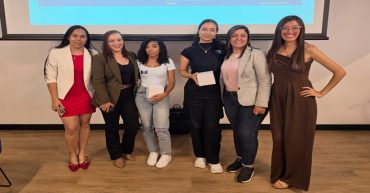
Creativity, innovation, and women’s leadership took center stage in Medellín during “Ellas Transforman: A STEAM Gathering for Girls, Young Women, and Women Shaping the Future,” held on October 20 at Politécnico Grancolombiano. Students from the Software Engineering program at Fundación Universitaria María Cano, members of the InteractiveSoft research group affiliated with GRINTEC, demonstrated how innovative […]
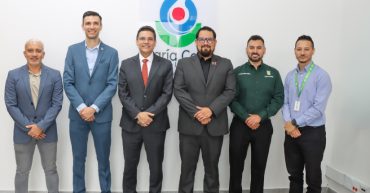
The María Cano University Foundation is strengthening its international cooperation with the Autonomous University of Baja California (UABC) in Mexico through teaching and research initiatives that promote knowledge exchange, academic mobility, and the joint development of scientific outputs, with the participation of faculty members and students from the Physiotherapy program. As part of this partnership, […]
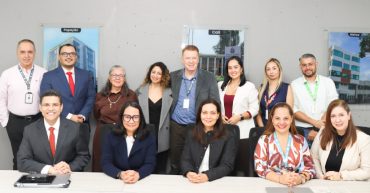
The María Cano University Foundation, Medellín campus, welcomes academic peer reviewers Dr. Eliana Isabel Rodríguez Grande and Dr. Diana Carolina Dallos Santander on October 21, 22, and 23 as part of the High-Quality Accreditation renewal process for its Physiotherapy program, one of the Institution’s flagship academic offerings. During this visit, Rector Hugo Alberto Valencia Porras, […]

The Journal of Research and Innovation in Health Sciences (RIICS) has developed a policy on the use of generative artificial intelligence (AI) and AI-assisted technologies in the scientific publishing process. This initiative recognizes the potential of these tools to support research and scientific communication, as well as the risks associated with generating inaccurate, incomplete, or […]

Cardiovascular diseases are among the leading causes of death in both women and men in Spain, although coronary heart disease is often perceived as a predominantly male condition. Previous studies have identified differences between the sexes, prompting a team from the University Hospital of Navarra to analyze sex-based differences in the care and treatment of […]
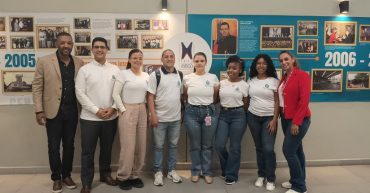
The Public Accounting program at the Medellín campus participated in the 4th Tax Knowledge Olympiad, held at Luis Amigó University. The event brought together outstanding students from 14 universities in Antioquia and three universities representing national regional networks, who put their skills, technical expertise, and tax knowledge to the test before a panel of judges […]
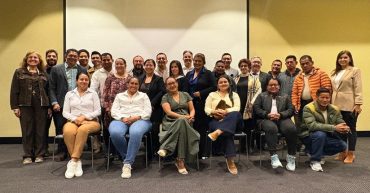
The Fundación Universitaria María Cano, as the implementing institution of a Science, Technology and Innovation project funded through Colombia’s General Royalties System, has successfully completed an initiative that brought applied research, innovation and knowledge to communities in Puerto Nariño, Amazonas, and Puerto Caicedo, Putumayo. The project, “Bioeconomic Strengthening for Social and Productive Reactivation Based on […]
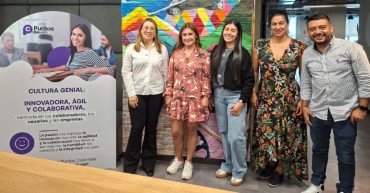
The School of Business Sciences conducted an academic and institutional visit to the facilities of Puntos Colombia, a partner of Grupo Éxito, located at the Viva Envigado Business Complex. The visit was part of the academic support and guidance provided by faculty members to students, particularly those undertaking their professional internships. The meeting aimed to […]

Heart failure and excess weight often occur in the same person, and excess weight is associated with other conditions, such as cardiovascular disease, diabetes, and metabolic disorders. Therefore, a team of researchers from Cali, Colombia, sought to determine how common excess weight is among patients with heart failure and which characteristics are associated with it. […]