
Blog
More than 300 voices united for public health
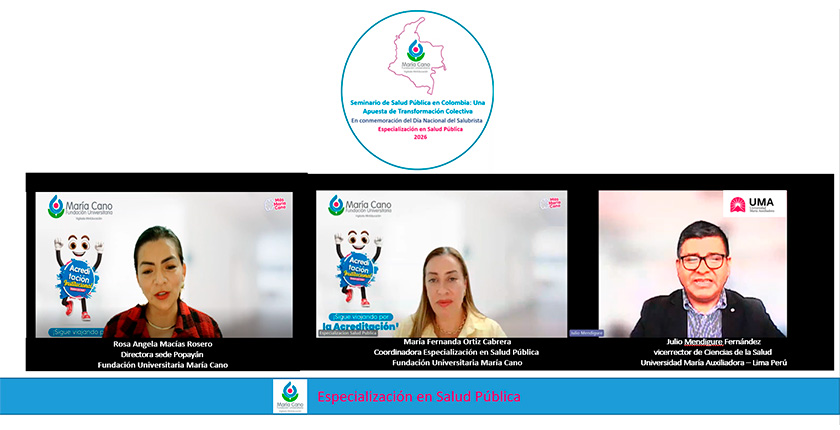
The María Cano University Foundation (Popayán campus) reaffirmed its commitment to transforming collective health by leading the international seminar «Public Health in Colombia: A Commitment to Collective Transformation.» This academic event was held to commemorate National Public Health Worker Day and was organized in partnership with the María Auxiliadora University in Lima, Peru.
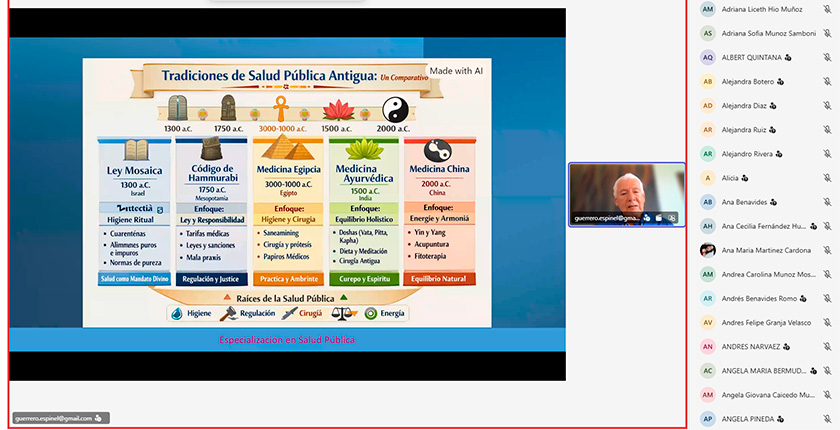
The event drew over 300 attendees, establishing itself as a forum for reflection, professional updating, and knowledge exchange regarding the key challenges facing public health in Colombia and Latin America. The gathering brought together professionals from health secretariats, State Social Enterprises (ESE), Healthcare Provider Institutions (IPS), and Health Promoting Entities (EPS), as well as community leaders, students, and alumni, thereby strengthening dialogue among academia, institutions, and communities.
Hosting this event reflects the leadership established by the María Cano University Foundation’s Specialization in Public Health. Since 2020, this program has contributed to training professionals committed to health promotion, disease prevention, and the creation of more equitable and healthy communities. With over 100 graduates, the program continues to provide highly qualified professionals to meet the needs of communities and health systems.
A highlight of the event was the strengthening of international academic cooperation between the María Cano University Foundation and the María Auxiliadora University in Lima—a partnership that opens new opportunities for the exchange of experiences, academic mobility, research, and the collaborative creation of knowledge in public health with both regional and international impact.
The seminar featured renowned national and international experts affiliated with key organizations and entities in the health sector, including representatives from the Pan American Health Organization (PAHO) and the National Public Health Association, as well as leaders from the National Institute of Health’s Epidemiological Surveillance division—all of whom also serve on the faculty of the Public Health Specialization program at the Popayán campus. Their contributions facilitated an analysis of trends, challenges, and opportunities to strengthen policies, strategies, and actions aimed at the well-being of populations.
Beyond academic professional development, the gathering served as an opportunity to acknowledge the fundamental role of public health professionals as agents of social transformation—individuals who work daily to reduce inequities, promote healthy lifestyles, and strengthen health systems to make them more humane, accessible, and sustainable.
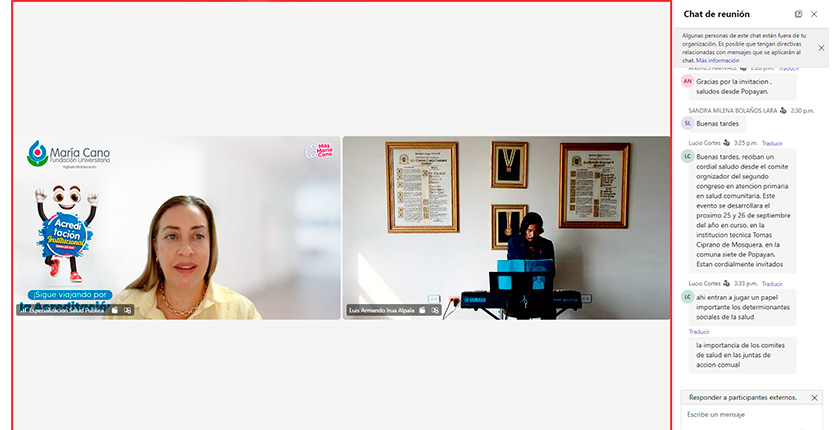
Through initiatives like this, the María Cano University Foundation continues to establish itself as a leader in training professionals capable of addressing contemporary public health challenges, fostering collaboration among institutions, regions, and countries to generate solutions that positively impact the quality of life in communities.
#MásMaríaCano