
Blog
How Does Caregiver Well-Being Influence Older Adults’ Quality of Life?
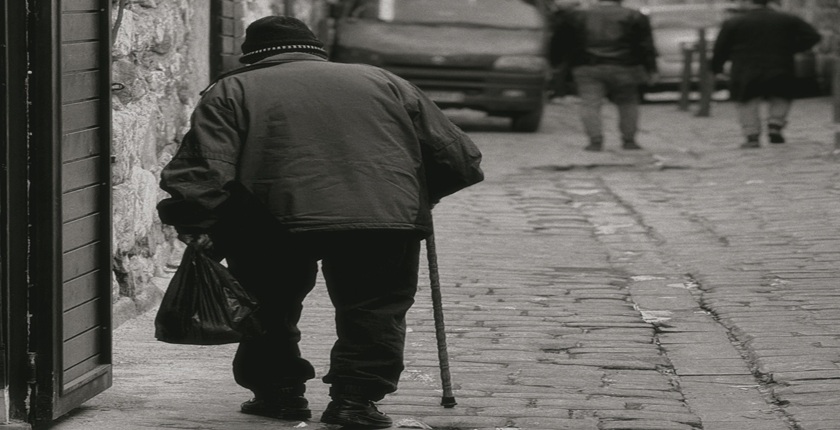
As people age, many require assistance to carry out their daily activities. In numerous families, this responsibility falls on a relative who, in addition to their everyday obligations, assumes the role of caregiver without financial compensation. This situation can have significant effects on the caregiver’s physical and emotional well-being. Previous studies have shown that caring for a dependent person may generate a considerable burden on informal caregivers. However, there has been limited evidence regarding how this burden may be related to the quality of life of older adults living in Andean communities in Peru.
To address this question, researchers evaluated 281 older adults receiving home-based care and their informal caregivers. Through household interviews, they assessed the quality of life of older adults and the level of caregiver burden experienced by those providing care. The study found that three out of every four older adults had an inadequate quality of life, while approximately half of the caregivers experienced some degree of burden. Although the initial analyses did not reveal a clear relationship between the two conditions, a possible association emerged after accounting for other relevant factors: older adults whose caregivers experienced burden were more likely to have an inadequate quality of life. Since this was a cross-sectional study, the findings should be interpreted with caution.
These results suggest that promoting caregiver well-being could be an important component of comprehensive care for older adults, particularly in communities where family caregiving plays a central role. Nevertheless, important questions remain unanswered. Further studies that follow participants over time and incorporate information about caregiver context, social support, and caregiving intensity are needed to confirm these findings and help guide more effective care strategies.
#MásMaríaCano